Loop Cup
Loop Cup
2025
Product Design
Project Overview
Making reuse easier to carry.
Loop is a sustainability-focused solution designed by my team and me to reduce waste from single-use containers on university campuses.
Rather than simply asking students to use reusable cups, we explored why they weren't already doing so. That research gave rise to Loop: a collapsible cup designed around the barriers we uncovered, combining personalisation, reminders and portability to make reuse easier to fit into everyday student life.
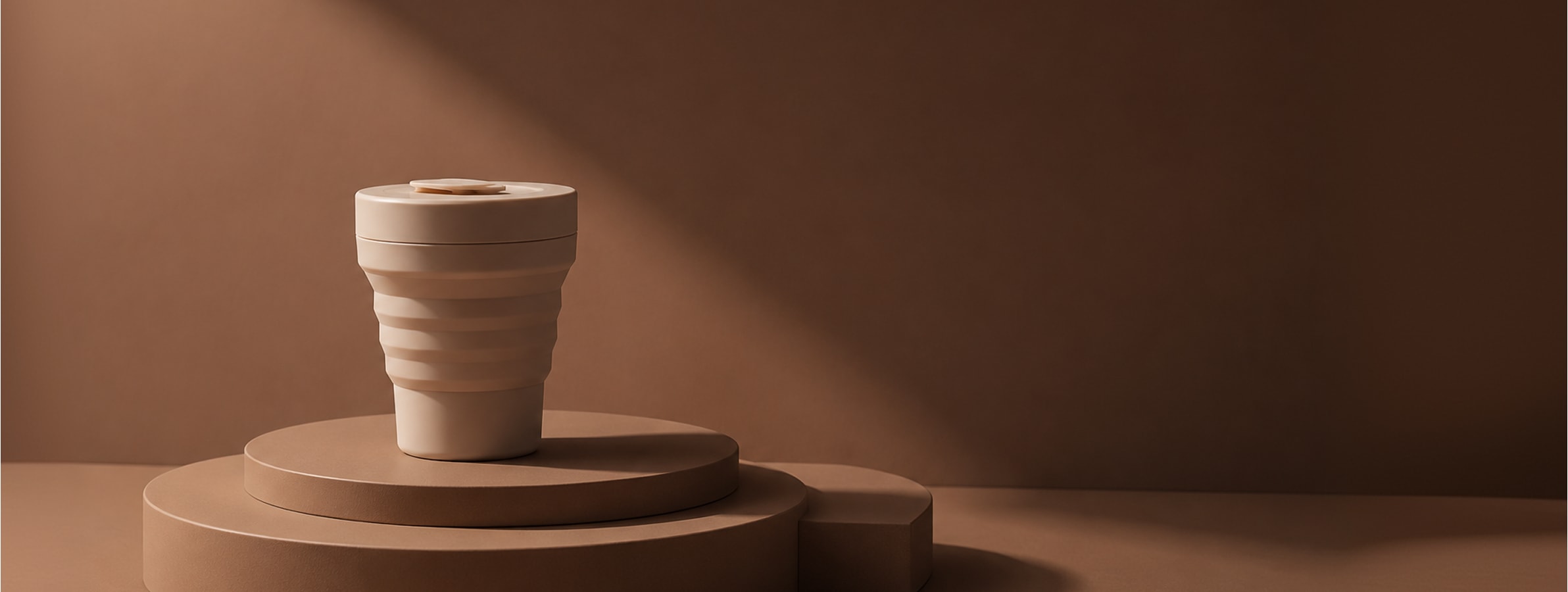
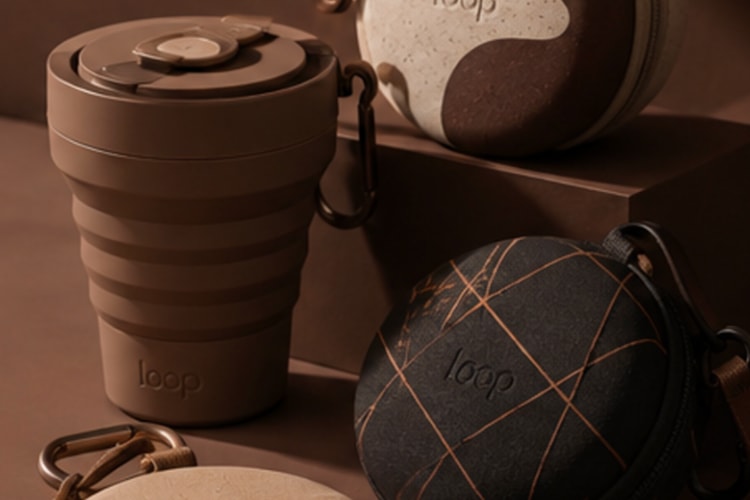
Personalise
A cup that feels like yours.
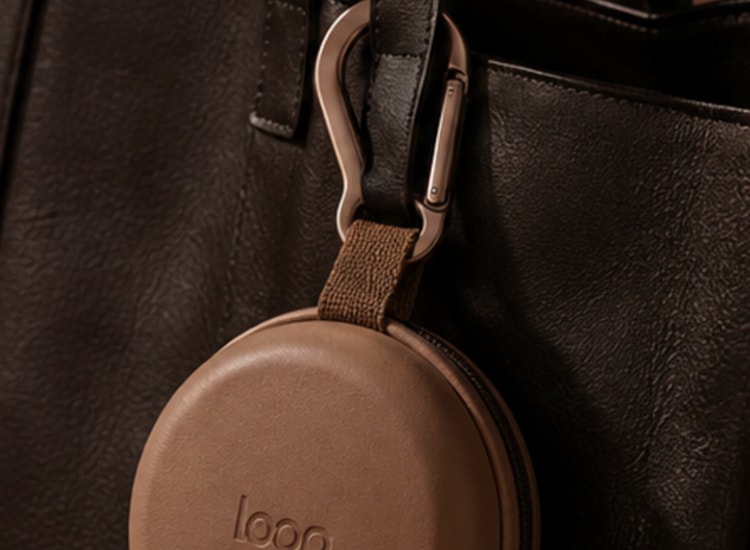
Carry
Collapses when you don't need it.
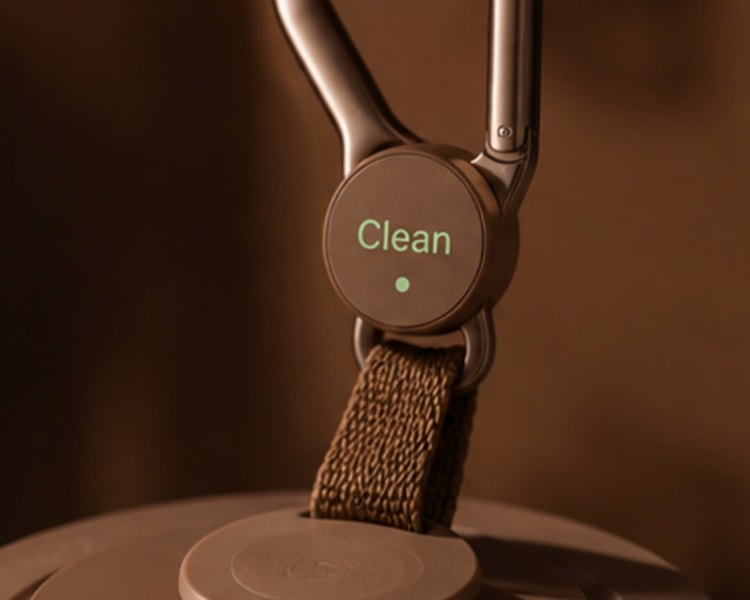
Remember
A little help remembering to bring it. Or even when to clean it.
The design shown here has been refined since the project's initial completion.
The Design
Designed around the barriers to reuse.
Loop was designed around both people and the environments they move through. Its features respond directly to the barriers uncovered through research, focusing on portability, ownership and habit-building.
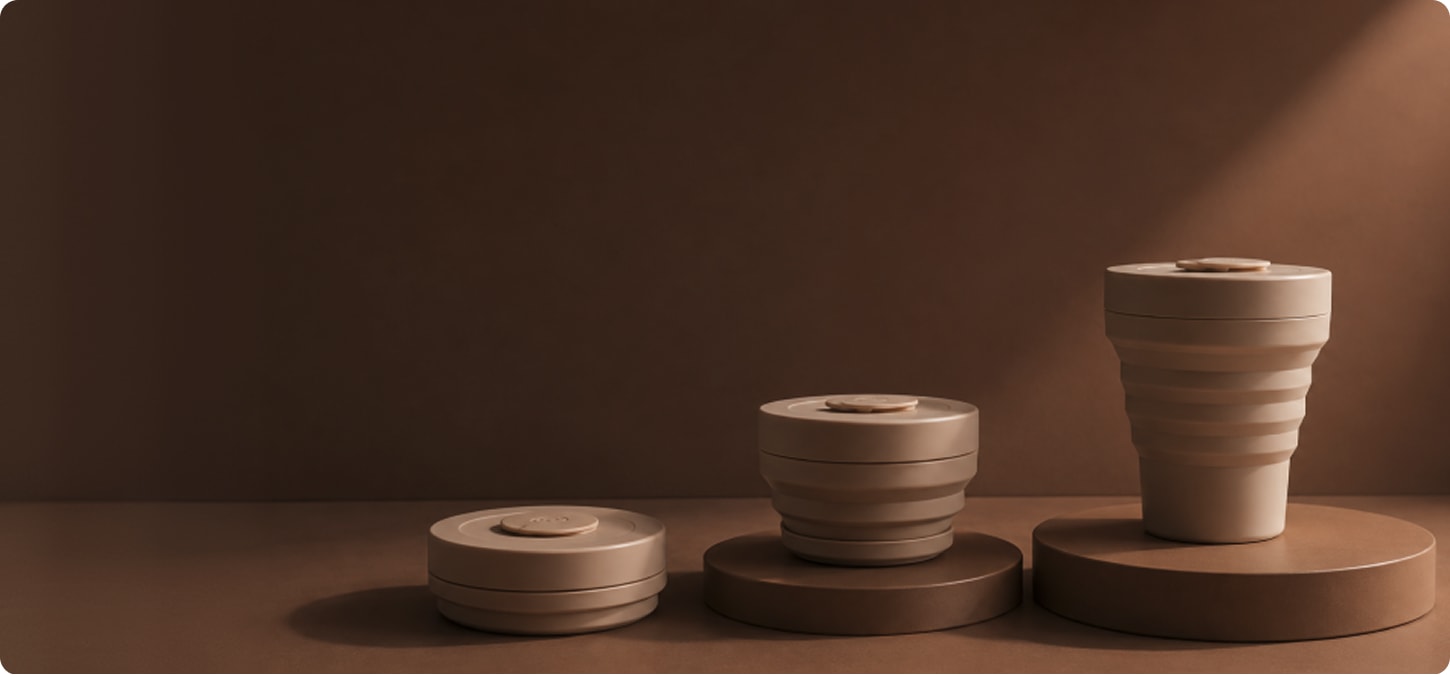
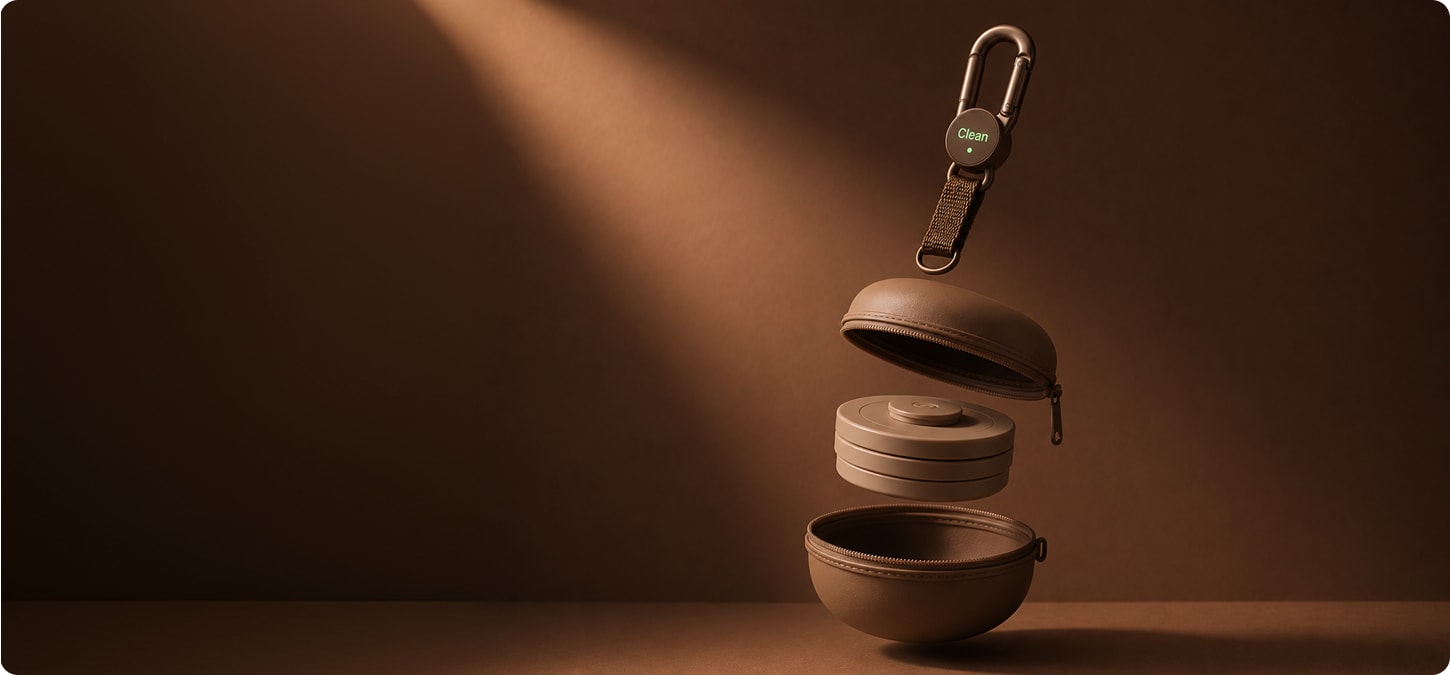
01/ Collapsible
Small when you need it to be.
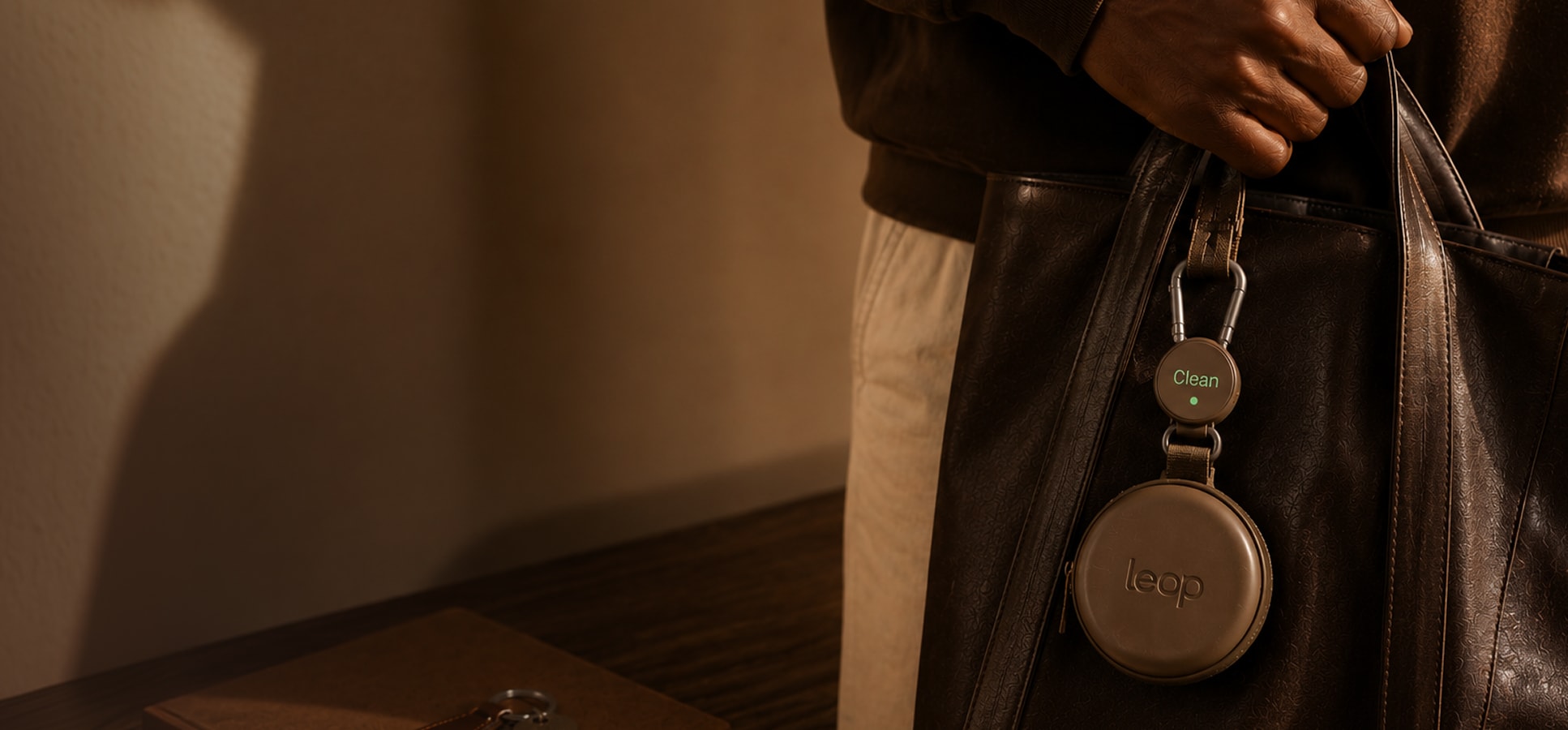
The days of “it takes up too much space” are gone. Quickly collapse your cup to half its size, then hook it onto your bag or tuck it inside. Less bulk, same Loop.
02/ Carry
Made to leave the house.
Hands-free has a new addition. Hook Loop onto your handbag, backpack, briefcase, or even a belt loop. Wherever you’re headed, just grab and go.
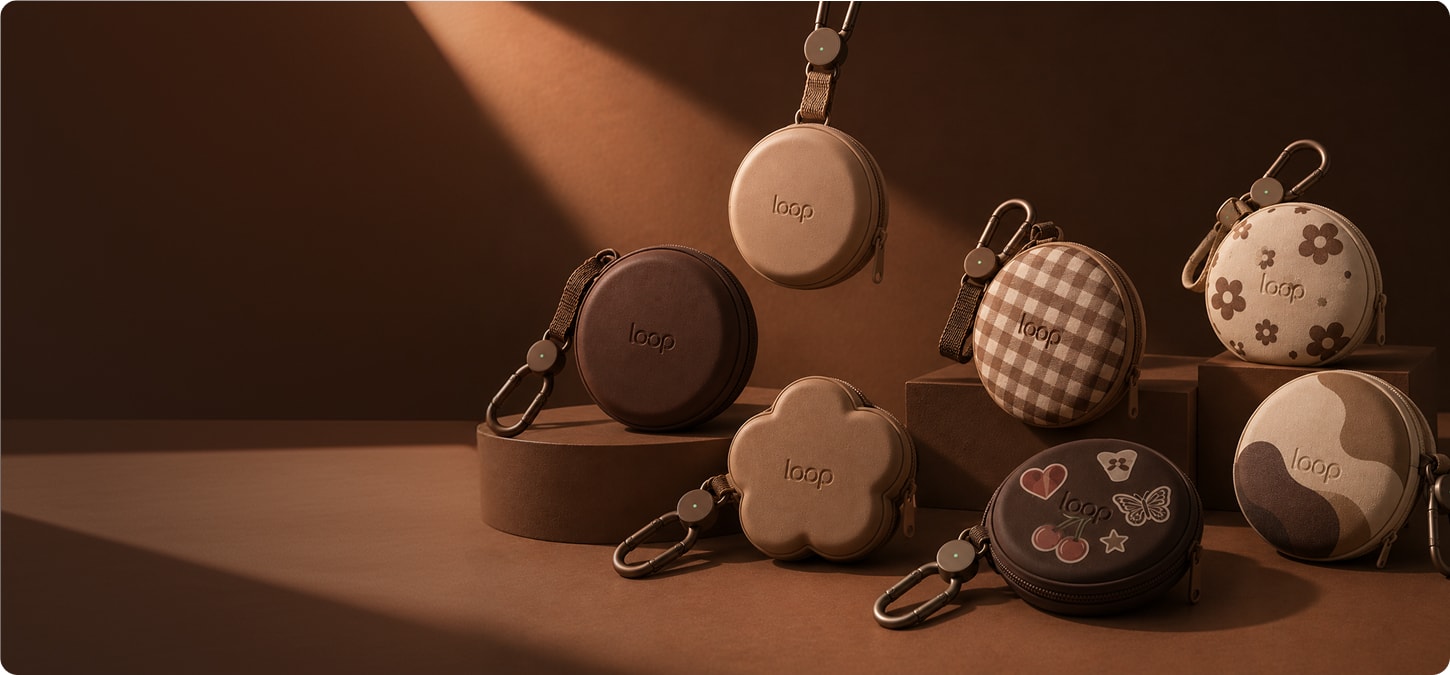
03/ Personalise
Make it yours.
Loop is designed to feel personal, because the things we love are the things we’re more likely to keep around. You’ve been looped in.
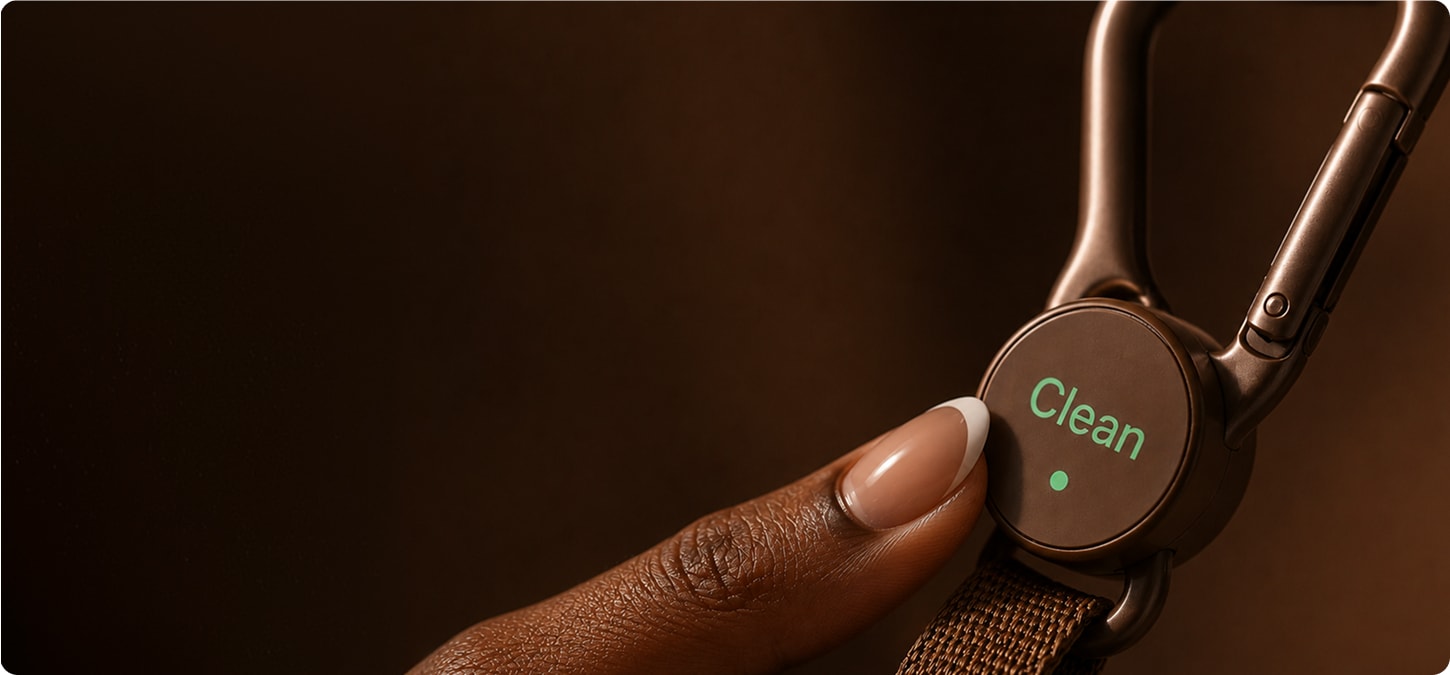
04/ Remember
Know when it’s ready to go.
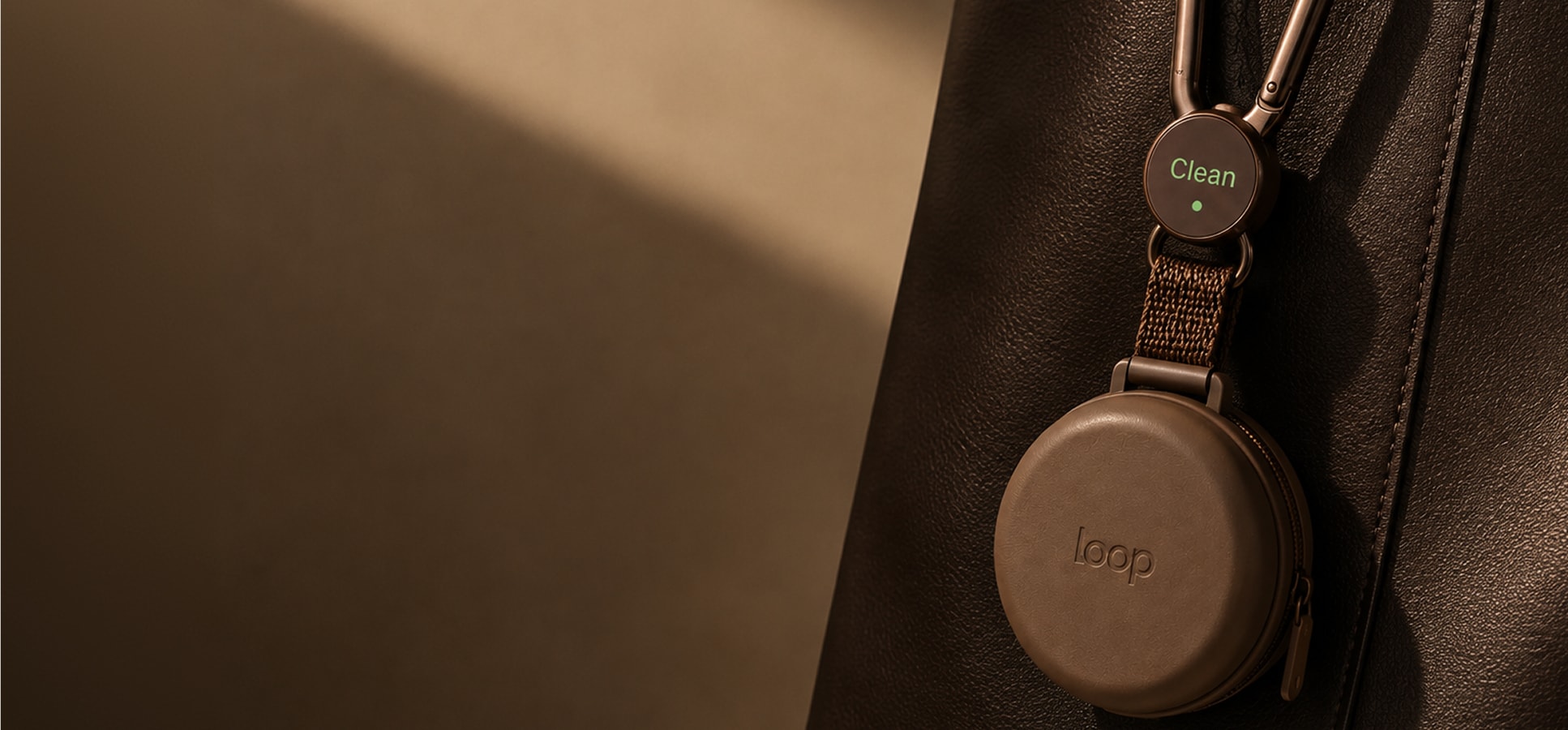
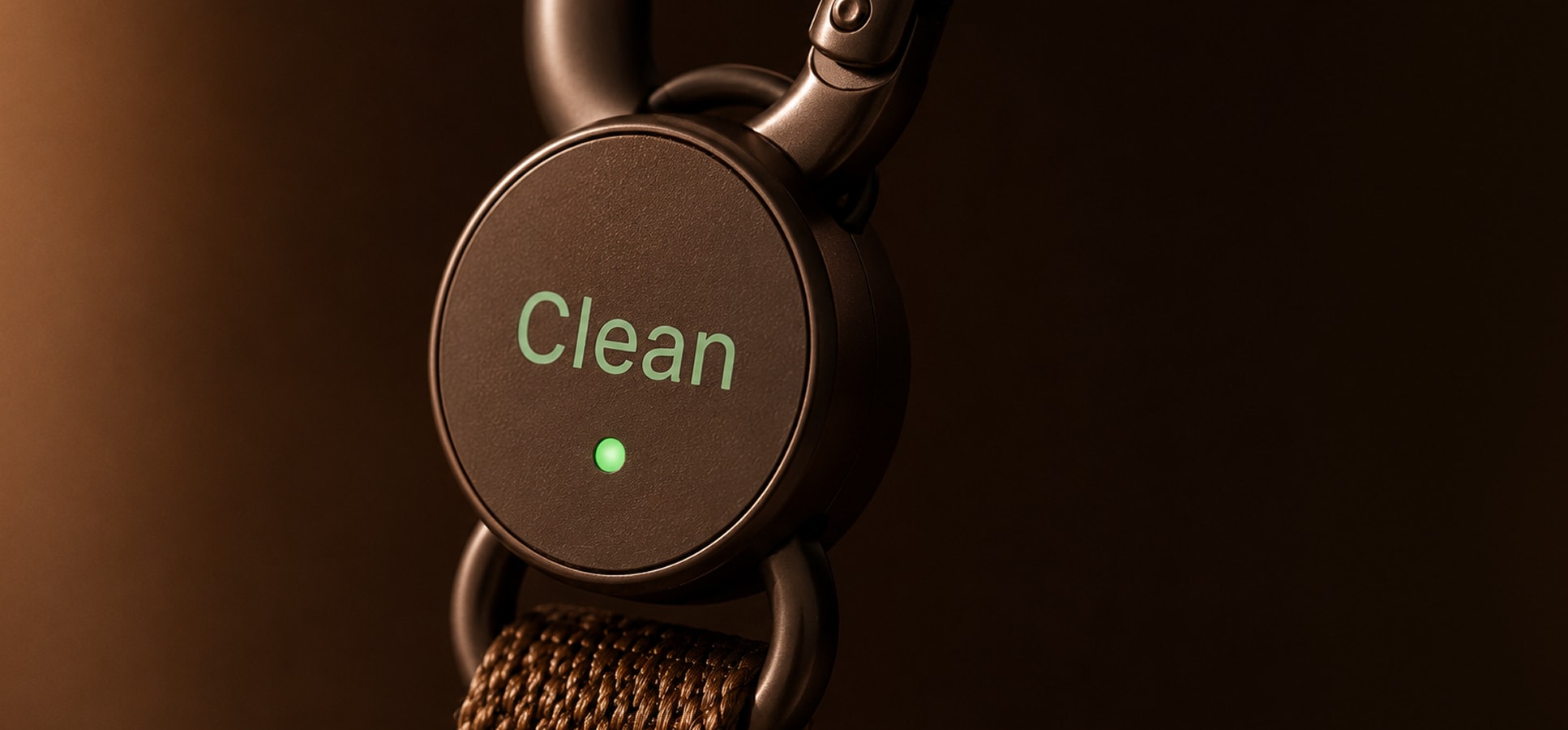
Never wonder when you last cleaned your cup. Check its status at a glance and receive reminders on your phone, set around your routine.
Discovery
Understanding the barriers
Before designing Loop, we explored why reusable cups weren’t already the easier choice. Secondary research and student interviews helped us understand both the wider problem and the everyday friction surrounding reuse.
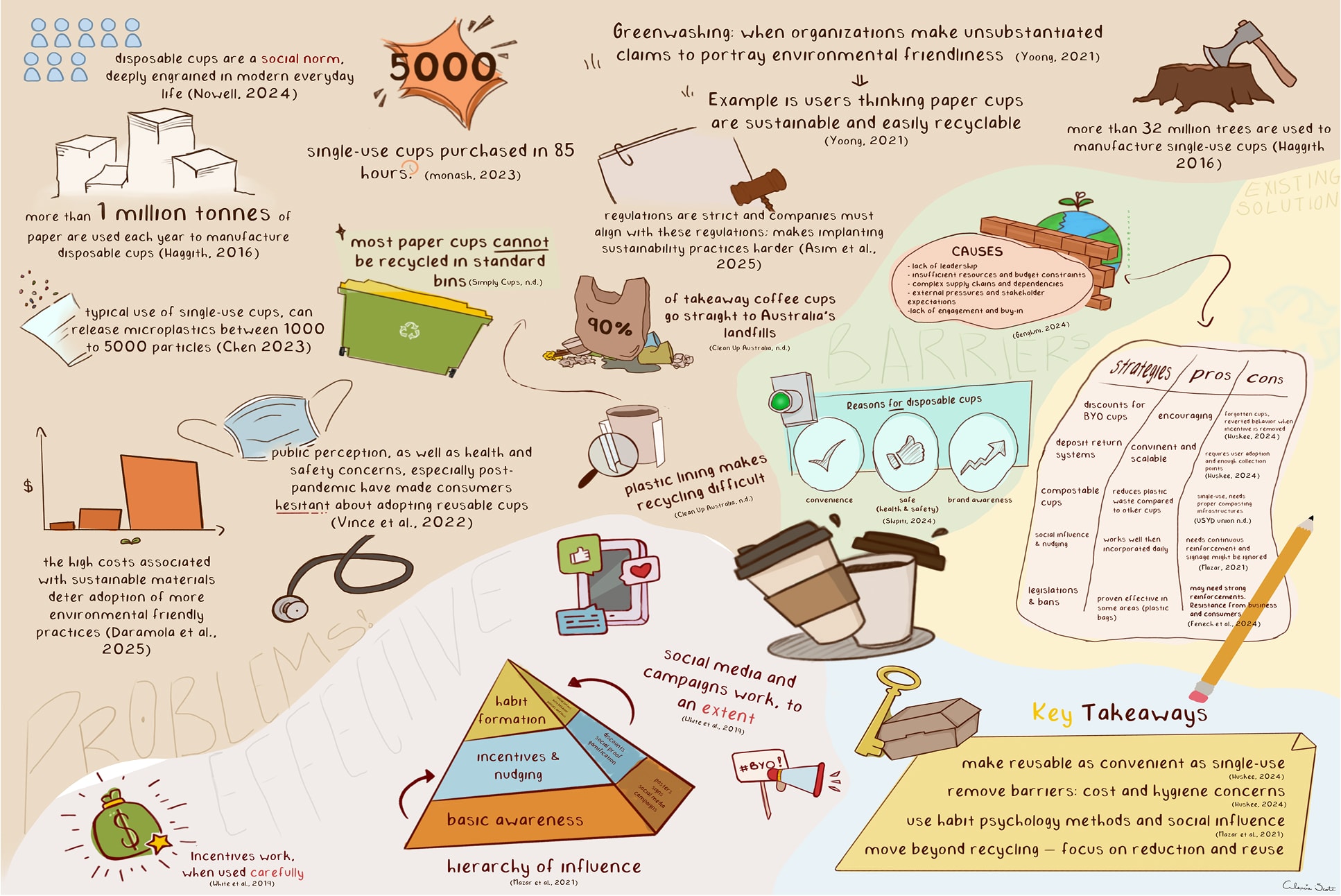
01 / Building context through research
We explored single-use waste, recycling limitations, existing solutions and the behaviours influencing reusable alternatives. I synthesised the findings into a knowledge map to identify connections and opportunities for change.
90%
of takeaway coffee cups go straight to Australian landfills.
Most paper cups
cannot be recycled in standard bins.
Convenience
remains a key reason people choose disposable cups.
Key takeaway: Sustainable alternatives needed to be as convenient as the behaviour they were trying to replace.
02 / Hearing from students
We interviewed three university students to understand how reusable cups fit, or didn’t fit, into their routines. Their experiences pointed to a few recurring barriers:

Cups took up valuable bag space and became something students had to carry all day.
Using one required planning ahead and remembering to pack it.
Cleaning, leaks and carrying a used cup added friction.
“If I shouldn't know that it's there, then I might use it.”
Ideation
Designing & Testing the Solution
With the barriers to reuse understood, we moved from understanding the problem to exploring how we might reduce the friction around it.
01 / Exploring the opportunity
With the barriers identified, we explored different ways to make reusable behaviour easier, from behavioural nudges and shared cup systems to products designed around everyday routines. Comparing these directions helped us move from broad interventions toward a solution people could carry with them.
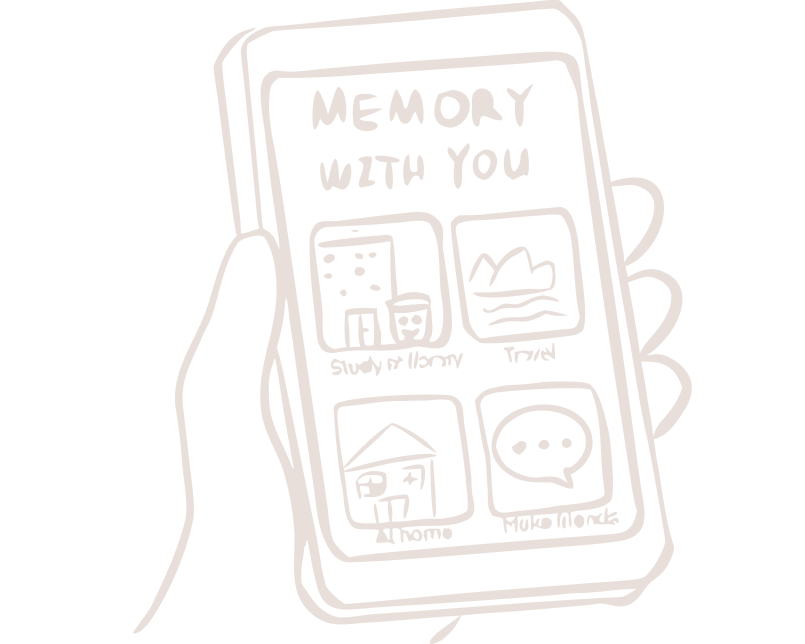
01/
Encourage the behaviour
Could awareness, emotional attachment or timely nudges encourage reuse?
02/
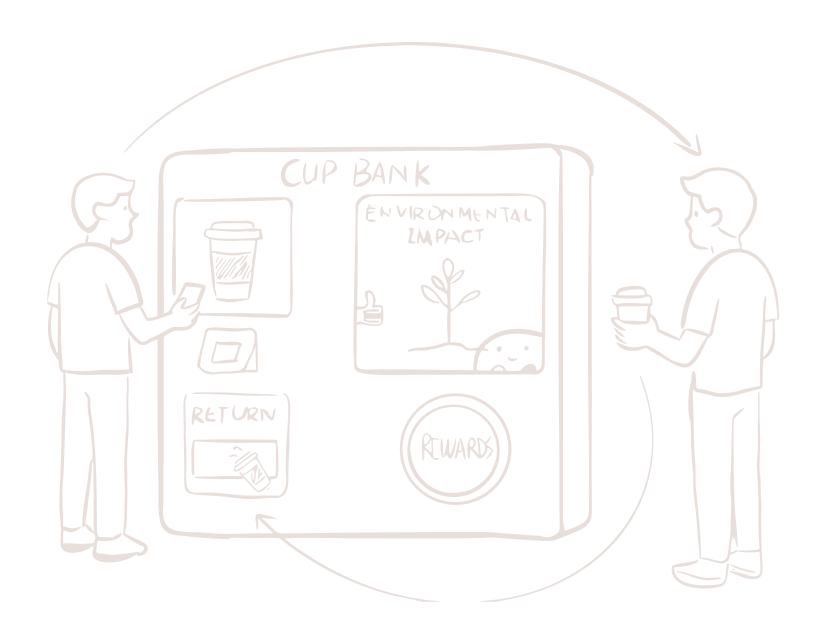
Change the system
Could campus infrastructure remove the responsibility of owning and maintaining a cup?
03/
Remove the friction
What if the better solution was simply making a reusable cup easier to live with?
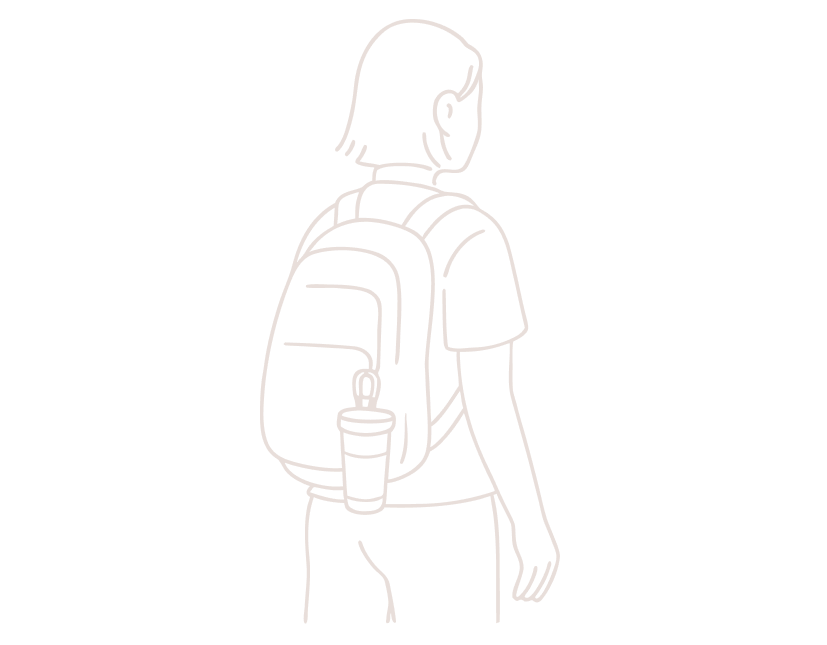
We narrowed in on portability. Rather than asking students to adopt an entirely new system, Loop could address the friction within a behaviour they already understood: bringing and using a reusable cup.
02 / Did Loop actually make reuse easier?
We tested the initial concept through task-based usability testing, observing how participants interacted with the physical cup, carabiner and companion app.
4 participants
Think-aloud usability testing
Physical + digital prototype
01/ Portability
Carrying worked. The attachment didn't quite.
A hook alone wasn't enough. We quickly learned that its shape, opening and attachment point were essential to making it easy to use.
02/ Visibility
Colour wasn't enough.
Colour meant different things to different people. Adding a written status gave users the clarity colour alone couldn't.
03/ Recognisability
Remembering worked. Finding needed work.
Reminders helped participants remember the cup, while feedback revealed another concern: making sure it couldn't easily be lost.
The Results
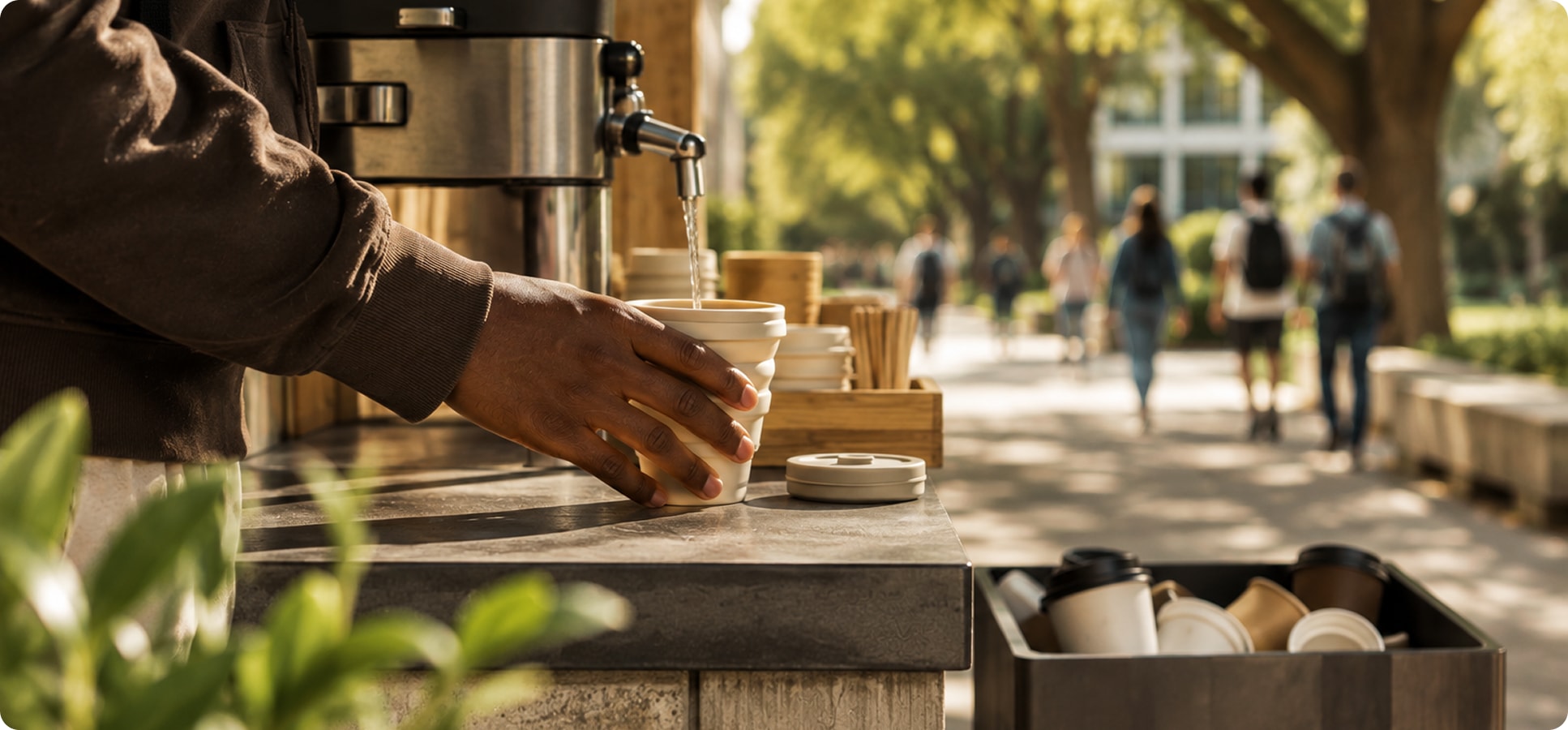
A more intuitive system for reuse.
Testing helped us refine Loop into a clearer, more considered experience built around the barriers we uncovered in research. The final concept combines portability, personalisation and habit-building to make bringing a reusable cup feel like less of an extra task.
Testing also challenged our initial assumptions around carrying, status communication and reminders. Those findings directly shaped the refined design presented throughout this case study.
Designing for behaviour, not just the product.
Loop taught me that encouraging sustainable behaviour isn't simply about giving people a more sustainable option. People may already understand the environmental impact and still choose convenience when the alternative adds friction.
The project pushed me to look beyond the cup itself and design around the behaviours surrounding it: remembering it, carrying it, cleaning it and making it feel worth keeping.
What I'd do next
With more time, I'd test the refined physical prototype within real campus routines over a longer period. I'd want to understand whether Loop actually increases consistent reuse over time and how the carrying and reminder system performs outside a controlled testing environment.