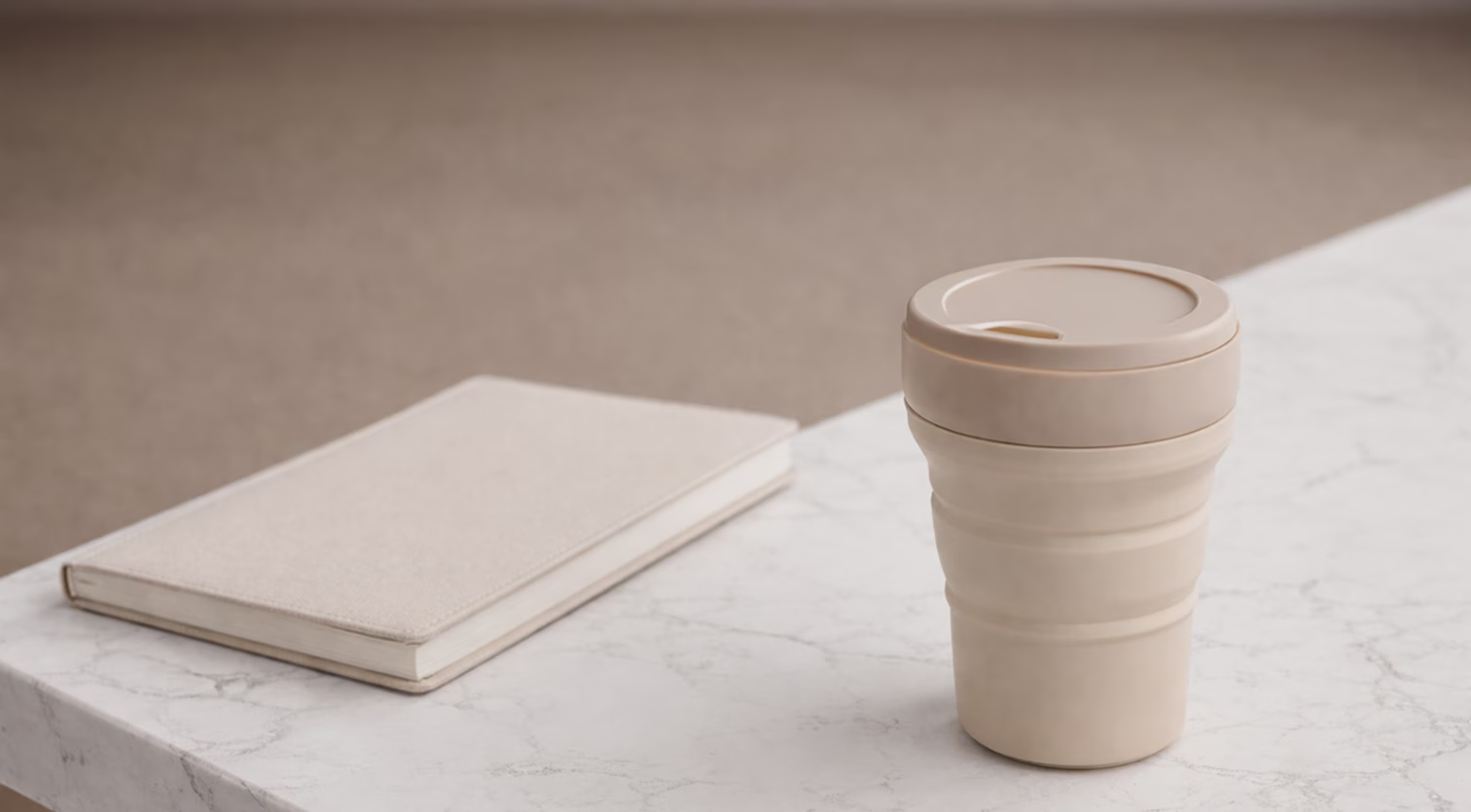
Loop Cup

Loop Cup is a sustainable design solution aimed at reducing the use of single-use drink containers in a way that feels effortless and integrated into daily life, whether on campus or beyond.As a team, we collaborated closely during the research and discovery phase, each conducting individual secondary research before regrouping to carry out primary research—including interviews and surveys. We then moved into data analysis, ideation, testing, and iterative refinement to develop our final concept.
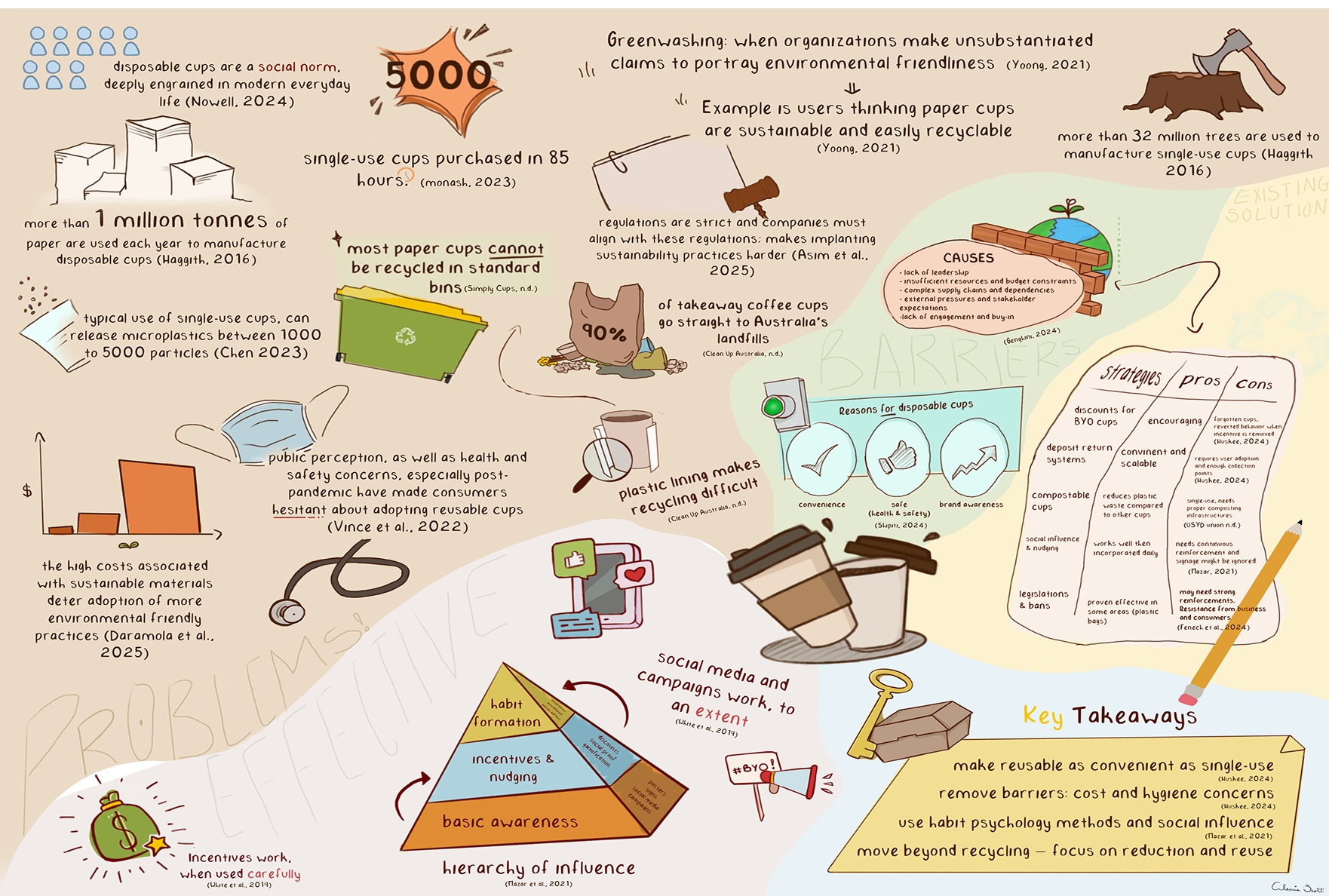
Sustainability is a growing global concern, becoming more important each day: for environmental protection, economic stability, and social equity.
While sustainable practices are being implemented in some areas, others fall behind, particularly the use of single-use containers. On university campuses, single-use drink containers are consumed by thousands daily, making these spaces ideal for targeted, impactful change.
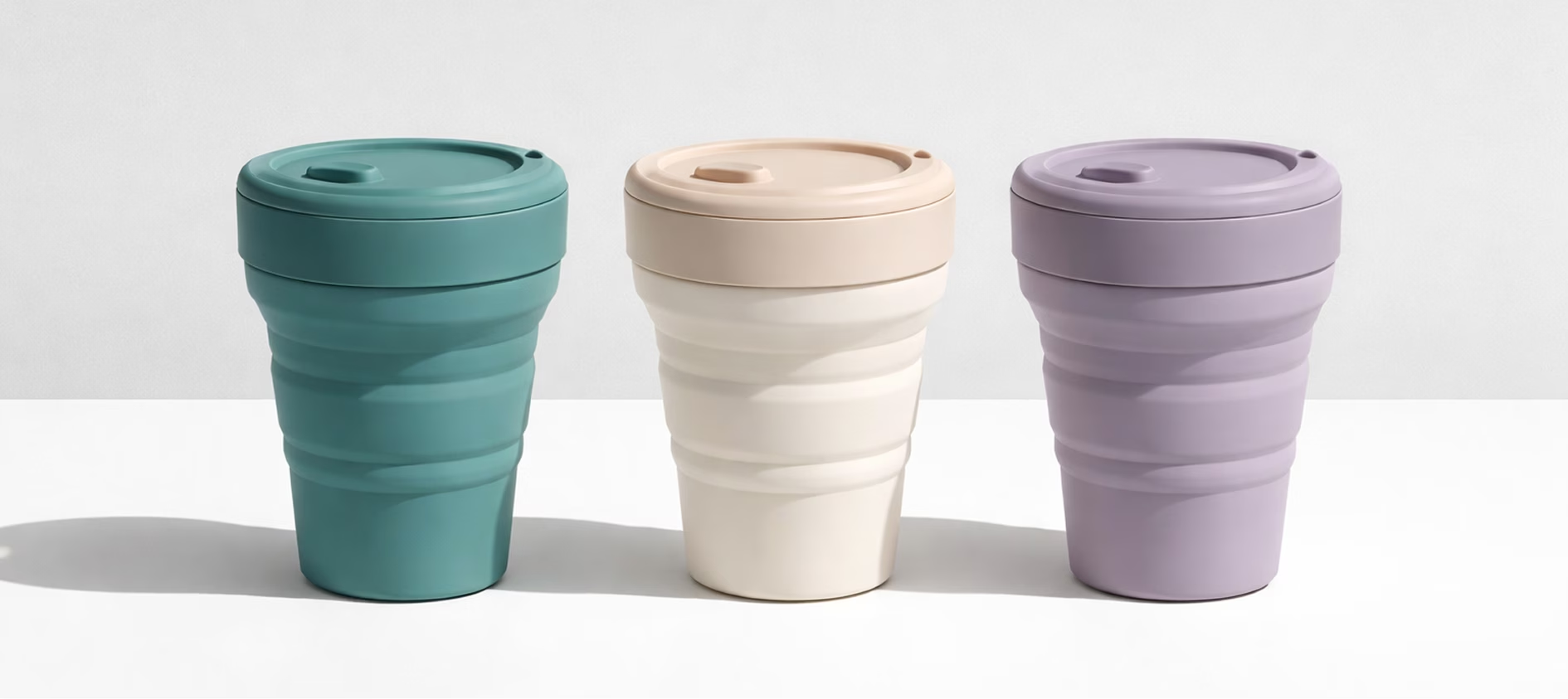
Loop Cup’s design is in response to key pain points identified during our research around why users avoid reusable drink containers. Our goal was to create a solution that is convenient, portable, and easy to integrate into daily student life, removing friction from sustainable choices.
The design focuses on portability, visibility, and accountability, aiming to fit seamlessly into the routines of busy campus users. By rethinking how and when people interact with their drink containers, Loop Cup encourages more consistent reuse and helps reduce single-use waste across university campuses.
Design a solution that encourages effortless sustainability, in effort to reduce single-use drink containers.
After unpacking the brief, we began conducting background research to better understand the root of the issue. Each team member independently mapped their insights using a variety of frameworks: including a Knowledge Mapping, as well as Stakeholder and Power Mapping, to explore the broader systems at play.These frameworks helped us understand why previous solutions had failed, identify key pain points, and uncover the ripple effects of the single-use container problem. They laid the foundation for our primary research and pointed us toward areas with the most potential for meaningful impact.
To complement our systems-level research, we conducted user interviews to better understand individual behaviours, motivations, and attitudes around single-use drink container use on campus.We prepared a semi-structured interview guide, a survey, and spoke with a range of students across USYD, aiming to uncover daily routines, barriers to reusable cup adoption, and attitudes toward sustainability. These conversations offered insight into the emotional and practical reasons behind why students often default to single-use options: ranging from convenience and habit to embarrassment and lack of accessible alternatives.To synthesise our findings, we created an affinity diagram, clustering data into recurring patterns, frustrations, and needs. This process helped us move from raw data to actionable insights, revealing deeper themes:
- Forgetfulness and lack of reminders
- Inconvenience of carrying bulky reusable items
- Low perceived impact from individual actions
- A desire for sustainability that feels “effortless”
- Desire for incentives
These insights directly informed our “How Might We” statements and guided our design focus.
Before committing to a single direction, our team began by individually generating a wide range of ideas in response to our problem statement. This allowed us to explore diverse perspectives before aligning on the most effective solution.We used creative ideation methods such as Crazy 8s and Brain-writing to push our thinking beyond obvious answers. These exercises encouraged rapid, open-ended exploration and helped us identify recurring themes and promising concepts.Once we narrowed down our ideas, we collaboratively selected the most compelling direction. To quickly bring the concept to life, we built a low-fidelity prototype using found objects, paper, and simple crafting materials. This tangible model allowed us to communicate our concept clearly and test early assumptions before moving into digital prototyping.
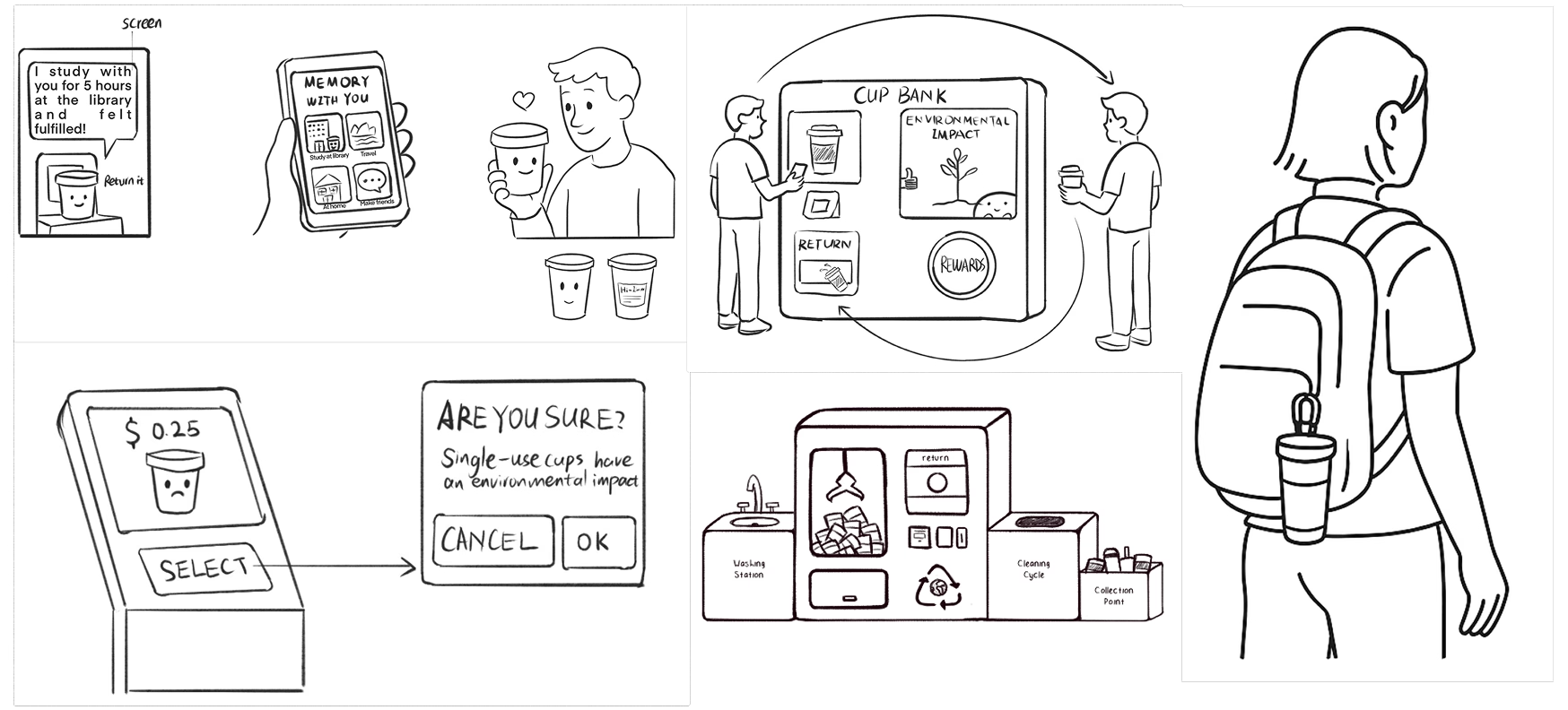
Based on our initial solution concept, we created a low-fidelity prototype to test key interactions and gather user feedback early. As a group, we developed a structured usability test plan that included:
- A Think-Aloud Protocol to capture real-time thoughts and decision-making
- An Observation Coding Form to track user behaviours and reactions
- A Post-Test Questionnaire using scale-based ratings to measure usability and satisfaction
We conducted usability tests with participants and captured both qualitative and quantitative data. After the sessions, we analysed the results by identifying patterns in participant feedback and synthesising insights using affinity mapping. This allowed us to spot common pain points, moments of confusion, and opportunities to improve clarity and engagement.From this data, we made several iterations to the prototype, refining our solution to better meet user expectations and enhance usability. Finally, we evaluated the updated design using the Theory of Change framework, which helped us assess the intended impact and long-term behavioural shifts our solution could support.
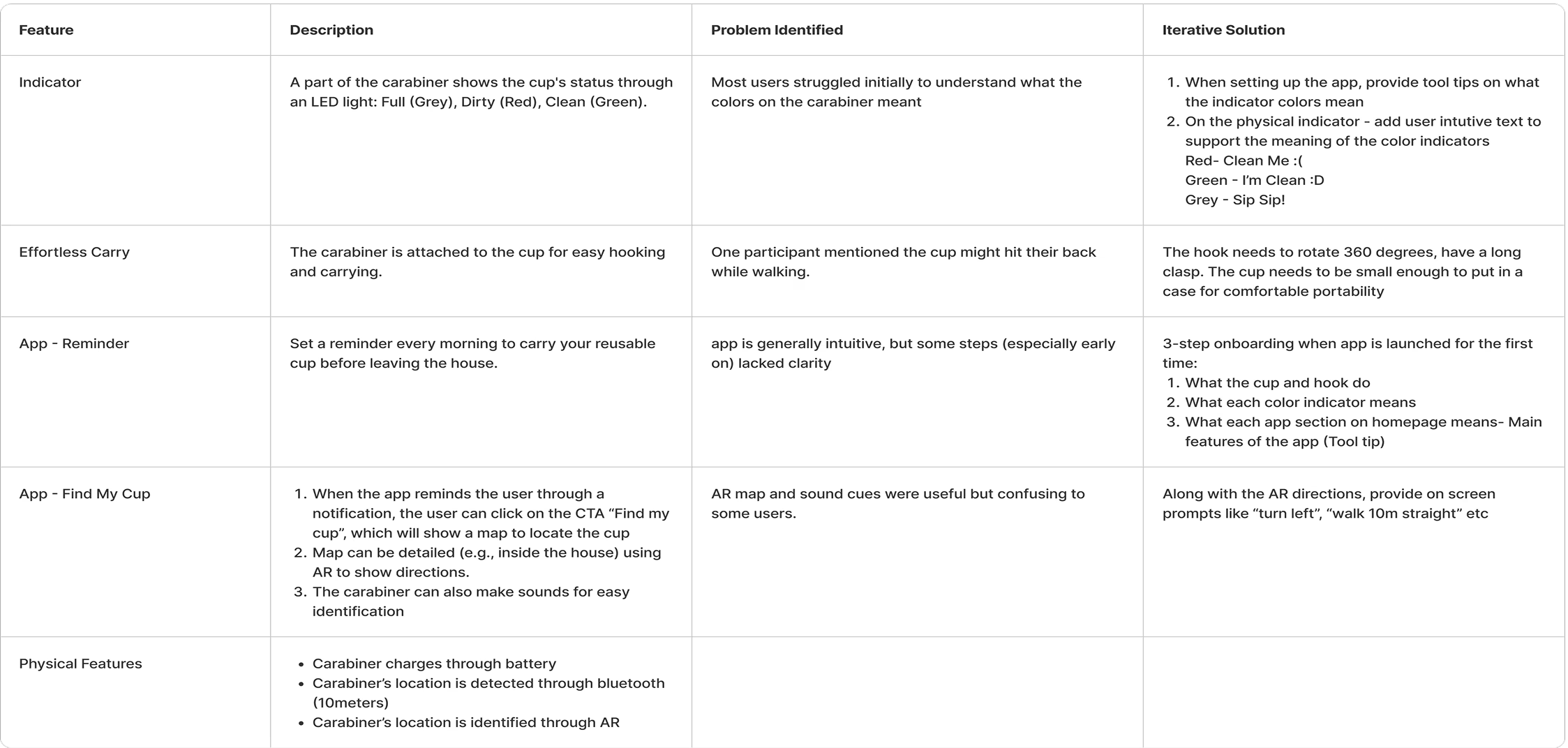
The usability testing and iterative refinement process resulted in a much clearer, more intuitive product experience, validated by consistent feedback from participants across multiple rounds of testing.Participants reported improved clarity around key features after the following changes:
- Rewording the indicator system (e.g., Red Light → “Clean Me”) made the purpose of the colour codes immediately understandable.
- App onboarding screens and contextual tooltips helped guide users through the interface and reduced early confusion.
- Improvements to AR cues and the addition of onscreen prompts (like "turn left") made the “Find My Cup” experience more accessible.
Across the final testing phase:
- Users were able to complete key tasks faster and with fewer errors
- Reported satisfaction scores increased (based on post-test questionnaires)
- Participants described the experience as “simple,” “clear,” and “thoughtful”
While not tested at scale, these results suggest that Loop Cup has the potential to shift sustainable habits by reducing friction in reusable cup use and reinforcing behavior through a friendly, tech-supported experience.

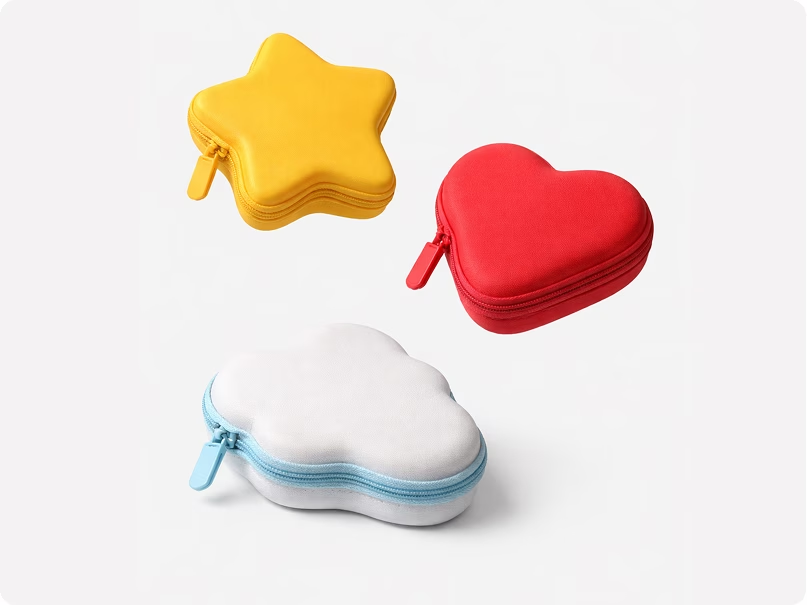
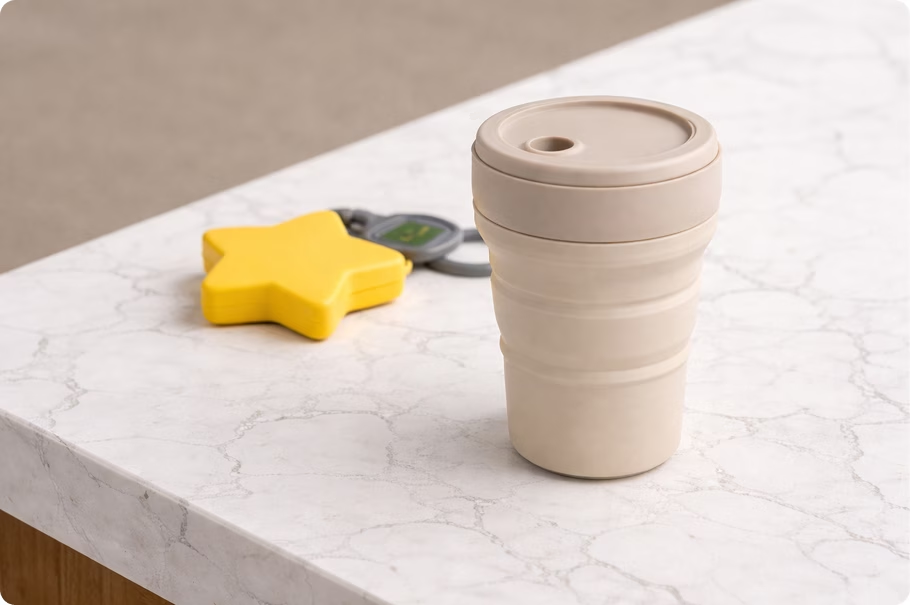
Moving forward, I would love to materialise the final concept, particularly the physical product, through 3D printing and prototyping. This would allow for more realistic usability testing, especially in terms of ergonomics, portability, and everyday interaction. Additional rounds of testing could reveal further refinements, especially as the product moves closer to real-world use.
Loop Cup was the first user experience project I’ve worked on involving a physical product, and it was both challenging and rewarding. I enjoyed exploring how UX principles and methods can be applied beyond screens, into tangible, interactive objects.
This project allowed me to practice user-centered design holistically, from research and ideation to testing and iteration, while also learning to think critically about form, function, and physical behaviour. It deepened my appreciation for the intersection between digital experiences and everyday habits, and gave me confidence in working on hybrid physical-digital systems.